Often the first ideas in the design process are the most powerful. The process of testing multiple options can be quite time-consuming, but it’s important to keep an open mind and to be diligent when exploring all avenues. This step tends to be a shared process where the entire team comes together to explore alternative design directions and it’s one of the most rewarding stages of any project.
It’s difficult to isolate which emerges first because concept, narrative and ideas often develop in parallel. Even the first conversation with a client might generate a vision in your mind that is so strong, you need to hold onto it. More often than not a core early idea drives the entire narrative.
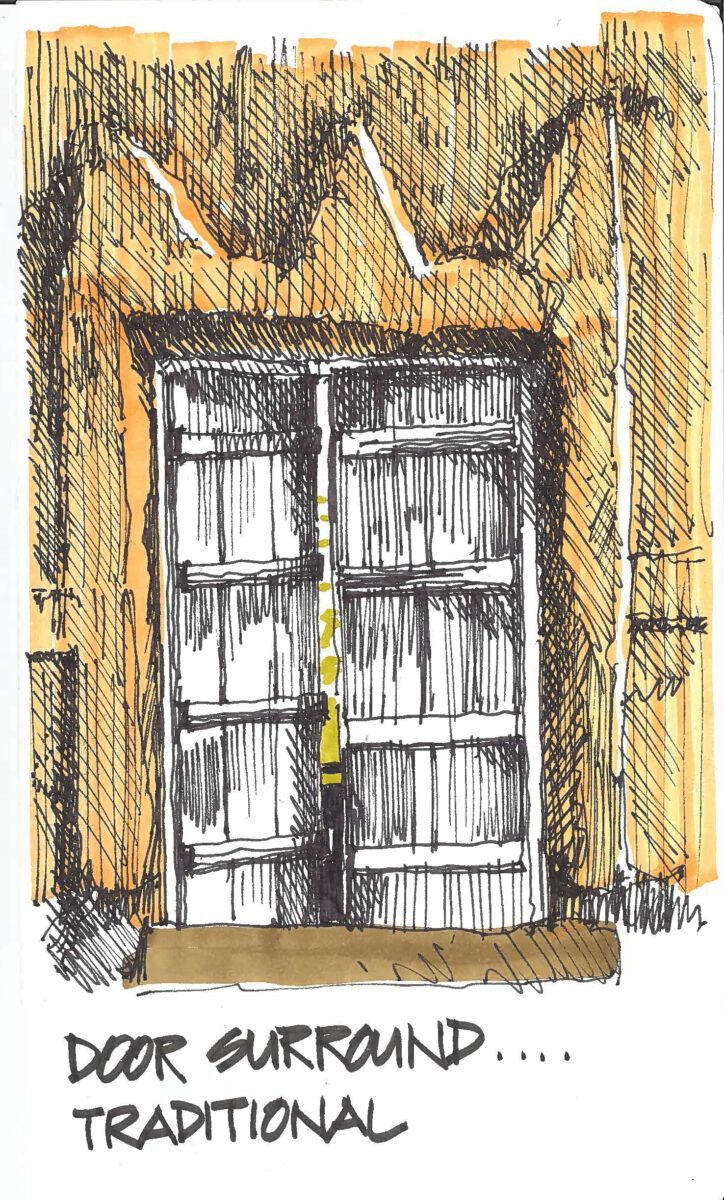
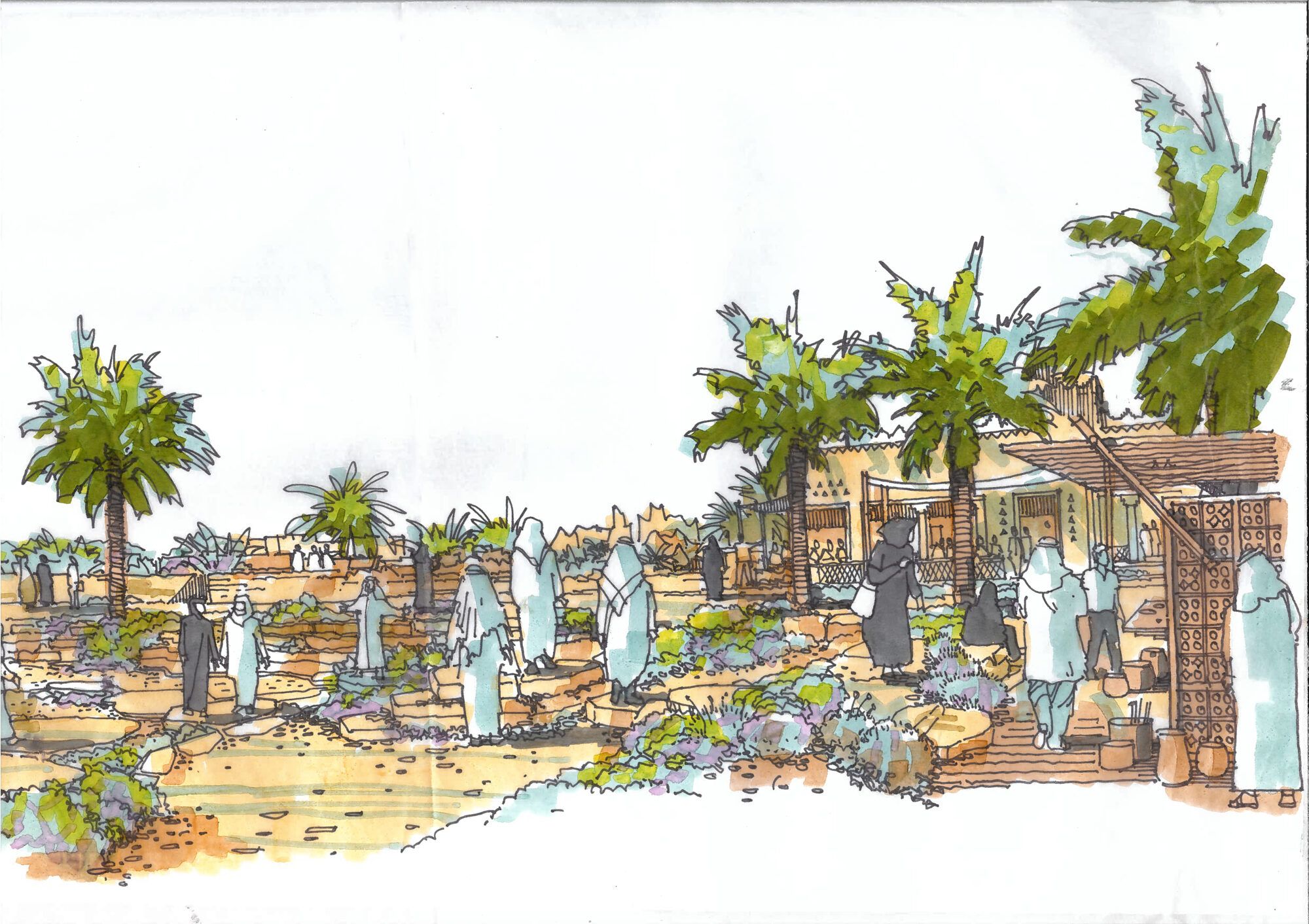
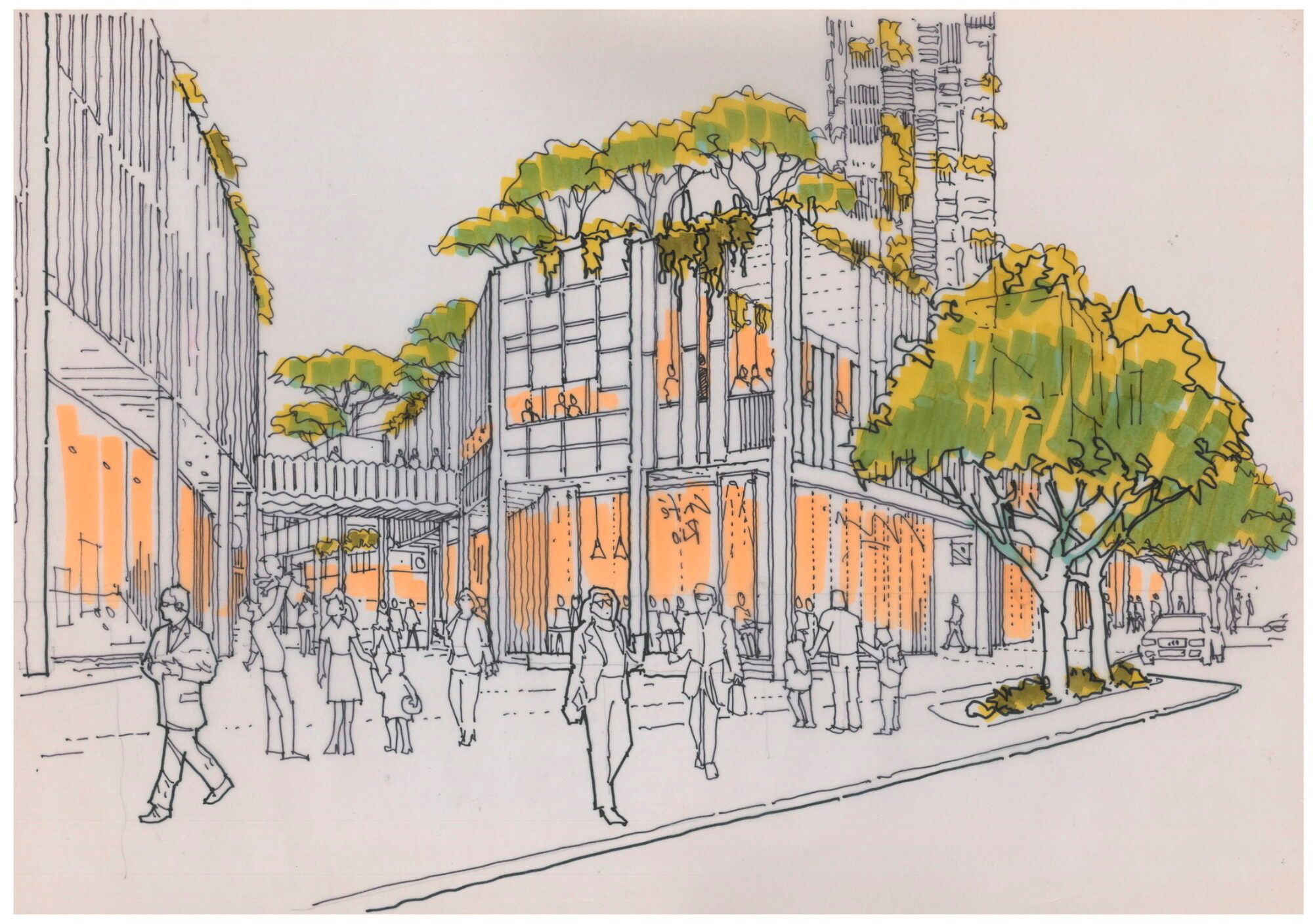
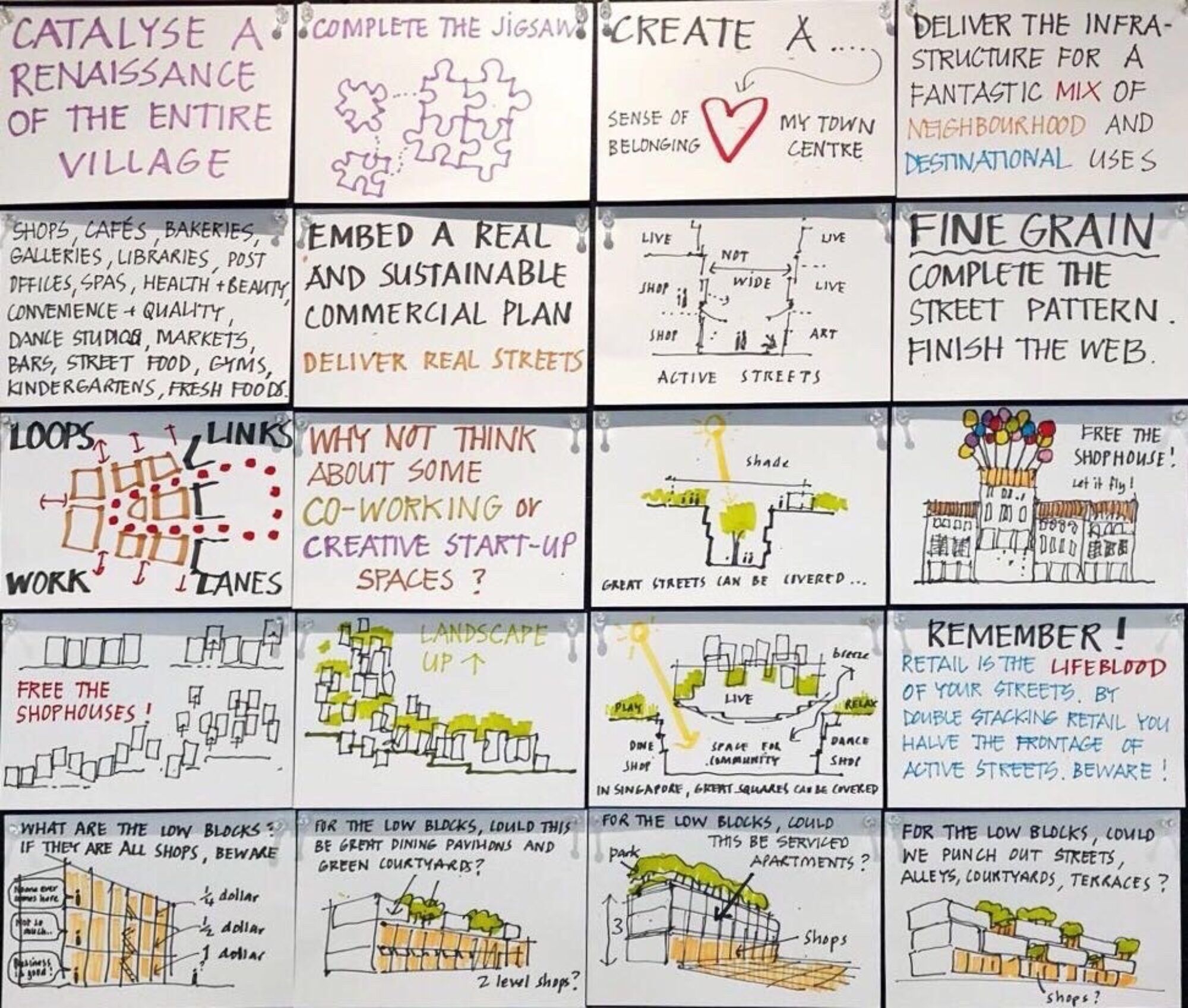
I often start with a single thought or idea, just something to get the process moving. Then I might develop that into 15 – 20 mini concepts to form a narrative. The concepts could be about geometry or capturing a view or sculpting a skyline, a bubble diagram or simply relevant material. They are quick, fast words and drawings, captured on simple pieces of card.
Once assembled I can prioritise them and assess where the gaps are. Sometimes it’s great to have a sketch session with the client to explore early solutions. We are a partnership, after all, and this can be a great way of answering questions.
It’s important to have a good storyline for the project that the whole team and the client understands and buys into. Narrative unlocks the soul of the project and affirms project direction and focus.
Building a narrative
Every project win will be a synthesis of main ideas, of differing value and importance. It’s important to build a ‘project memory’ of all the concepts that emerge through the process and seek to continually push that key set of ideas along your journey. It’s like a BAO wave of ideas: the more ideas, the bigger the wave.
The first project presentation to a client shouldn’t be about revealing a completed design, it’s more about demonstrating a clear understanding of the brief, and an attitude to unlocking the right answer. Often this first presentation will be structured around an illustrated, prioritised list of ten or twelve of the most important design principles for the project.
This is just the beginning, but now the design process is in motion and it’s a dialogue between team members and client.