
London College of Fashion
Europe
View Project

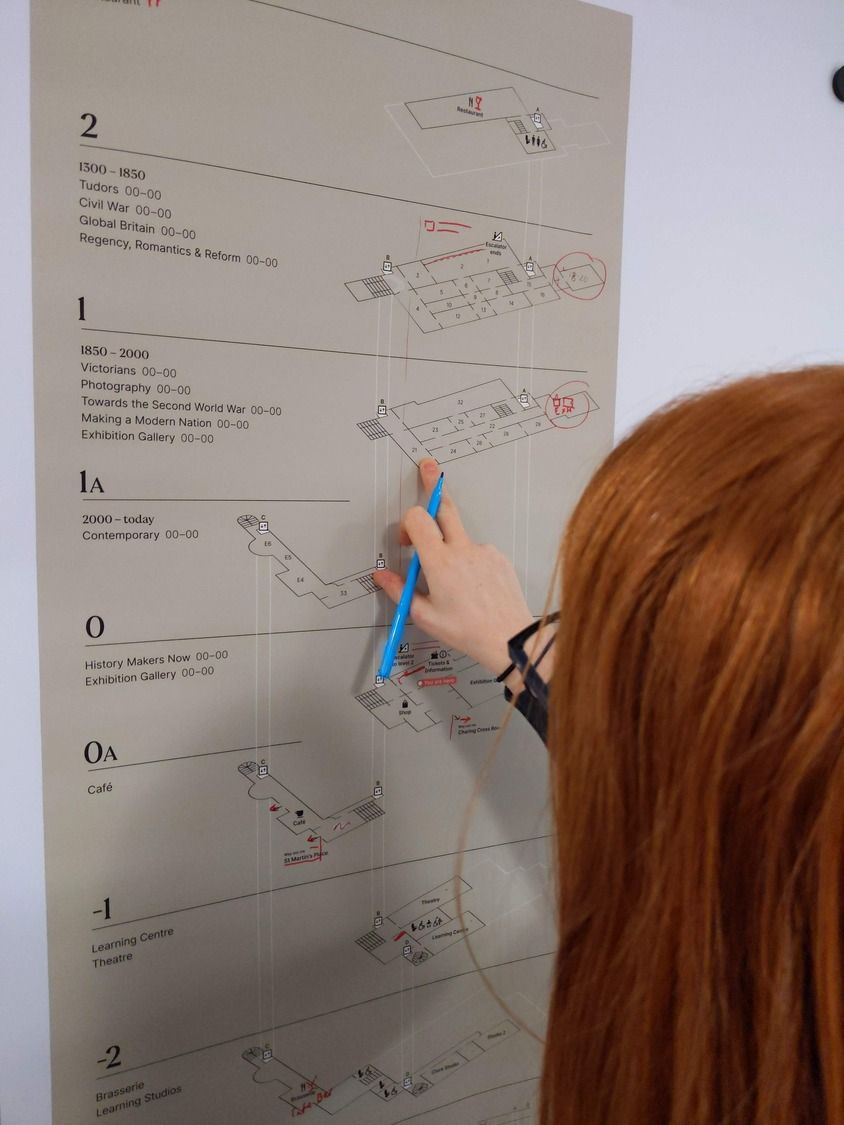
A wayfinding and donor recognition scheme designed to be invisible to everything except the building. The National Portrait Gallery’s ‘Inspiring People’ project was the most extensive transformation since the building opened in 1896. The three-year refurbishment of the Grade II listed Victorian fabric created new public spaces, reoriented the main entrance and redisplayed a collection that now puts over 1,100 portraits on display. Benoy was appointed to design the wayfinding and donor recognition schemes.


Reading the building
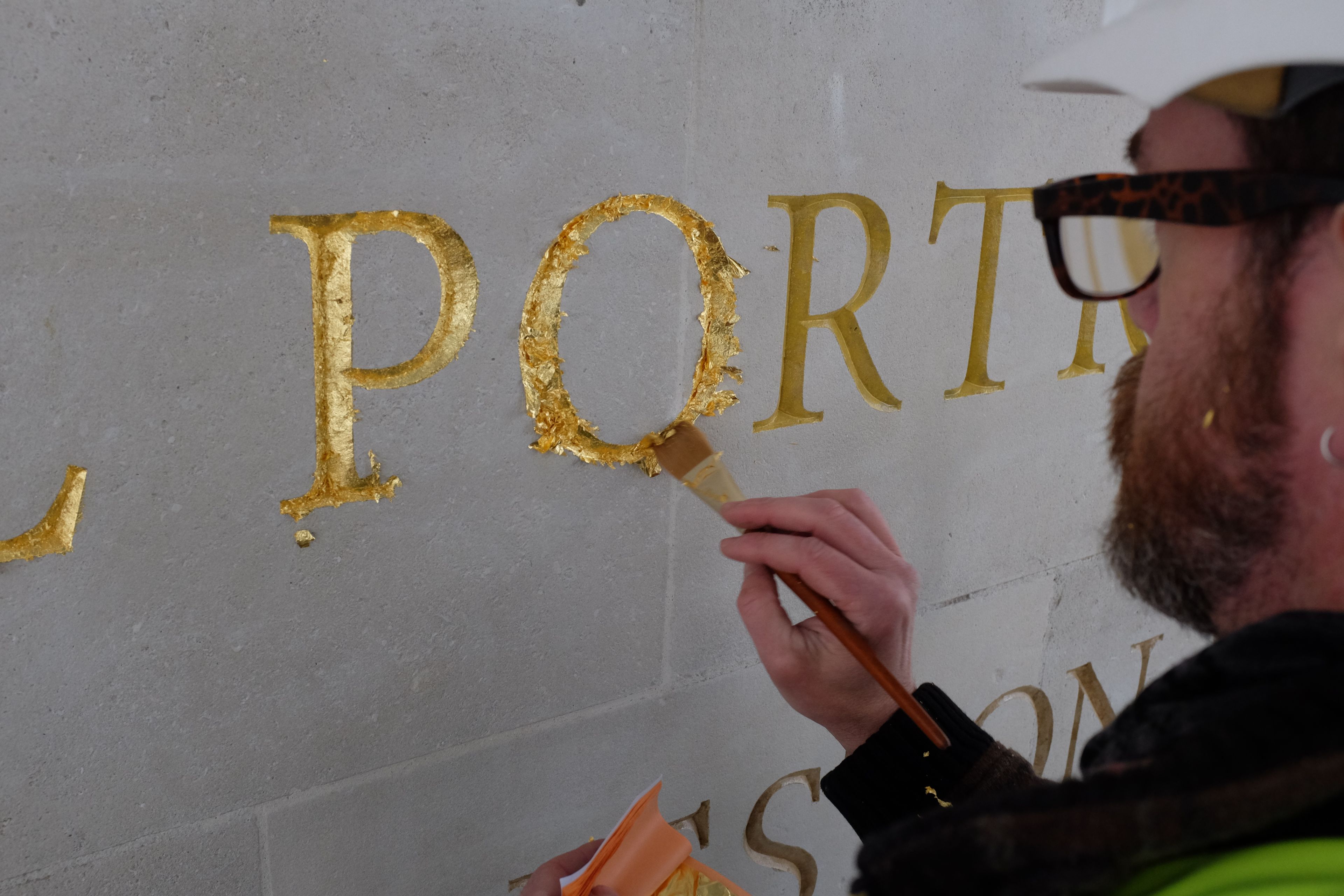
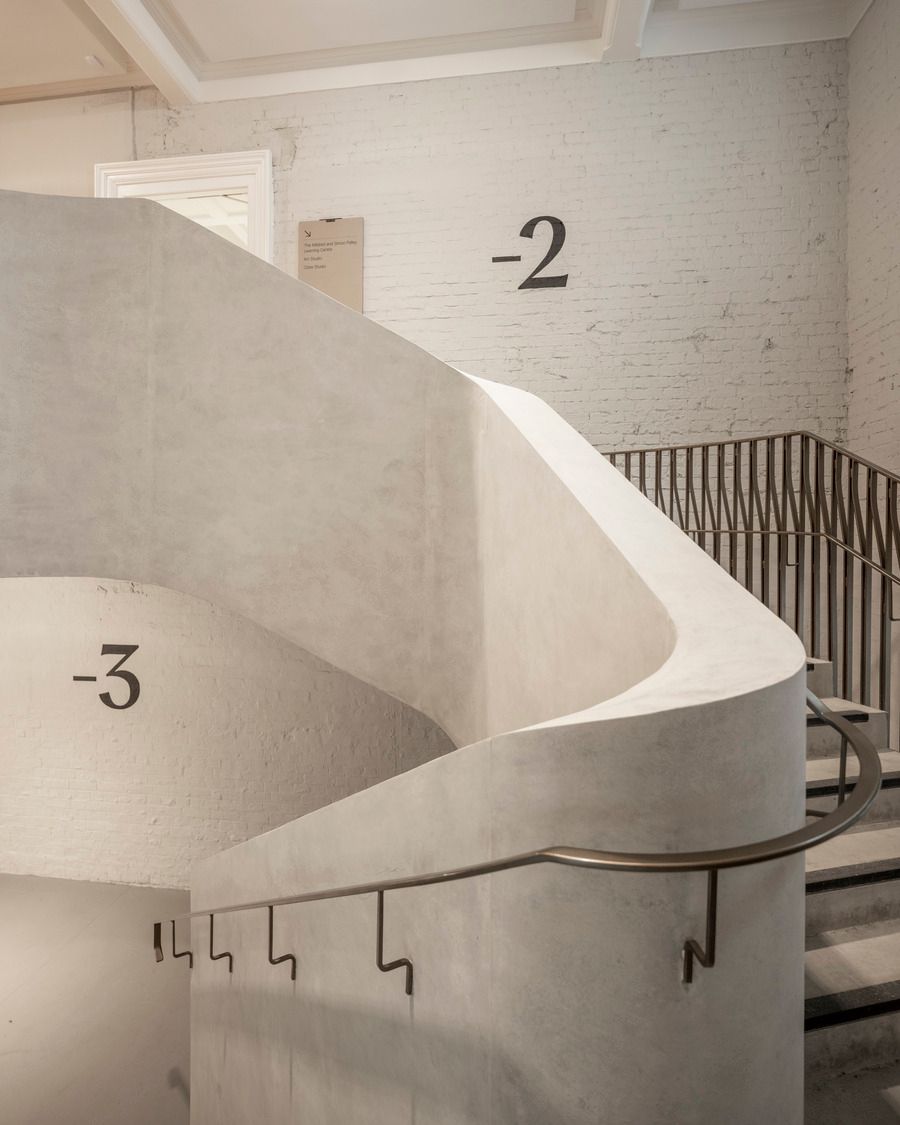
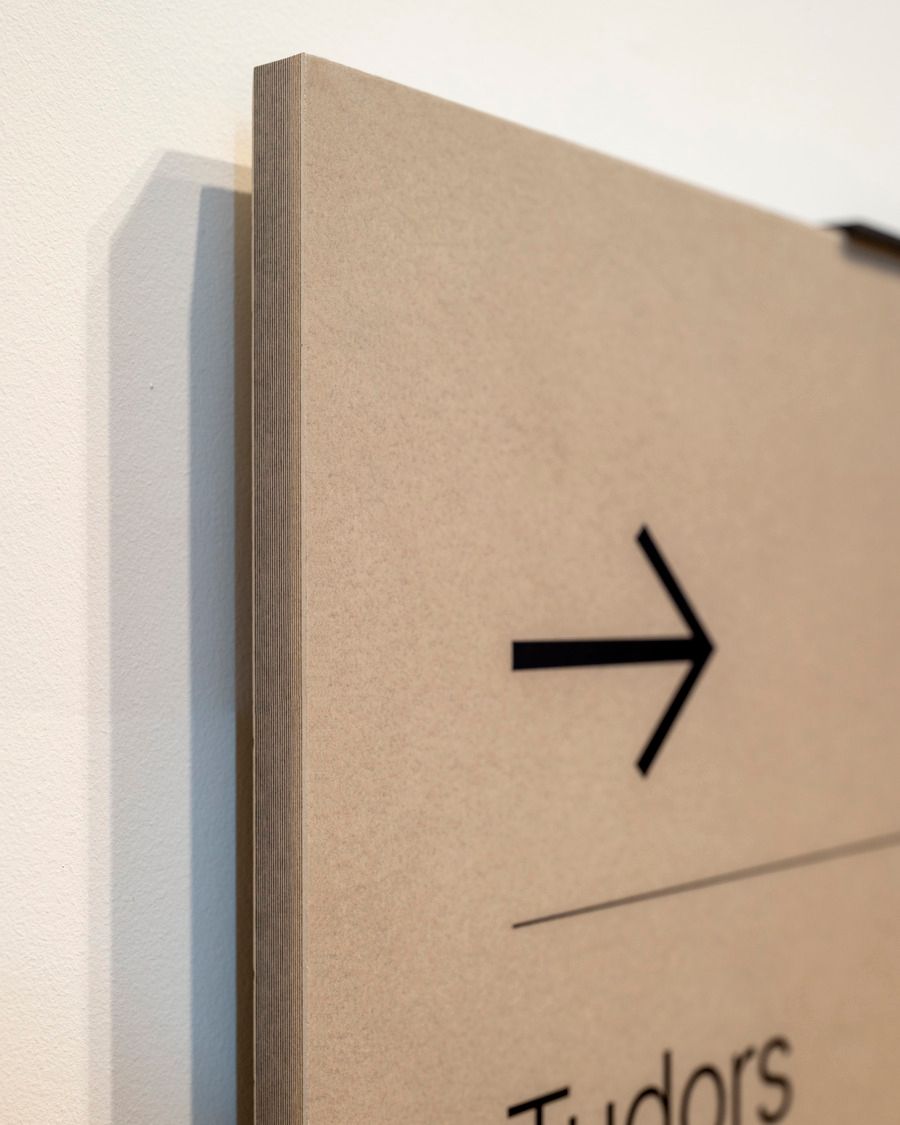
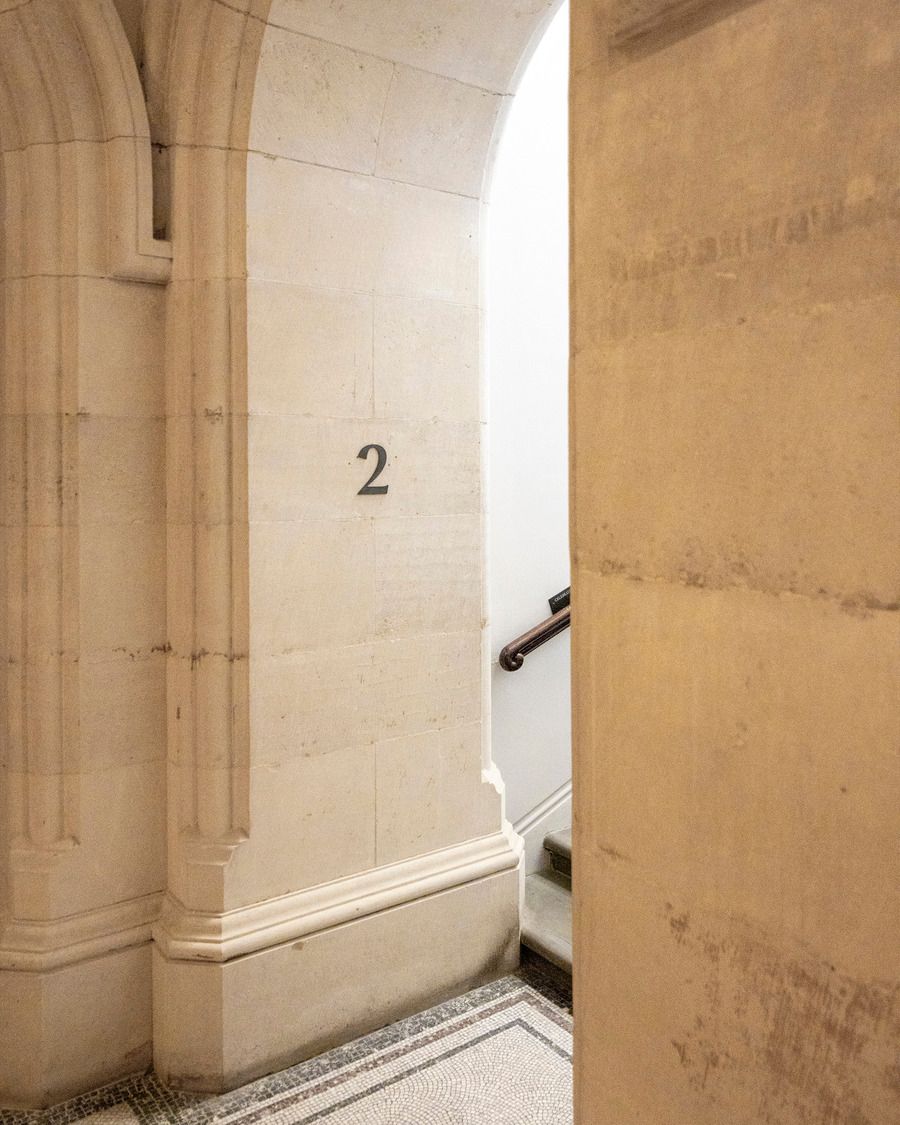
The guiding principle was restraint. Where the art is the focus, wayfinding’s role is to guide without announcing itself. The typographic approach drew from historic inscriptions in the building’s fabric, with new signage continuous with the architecture. New National Portrait Gallery signs engraved into the Portland stone façades welcome visitors; thereafter the system simplifies at every decision point to let the collection take precedence.


Material language
The design language for the fixtures takes its cue from Carlo Scarpa’s museum easel, first developed for the Museo Correr in Venice. Scarpa’s easel stood for the idea that the apparatus of display should be crafted with the same seriousness as the works it serves. That principle guides the detailing here, carried in brass fixings with material precision throughout.

Recognising generosity
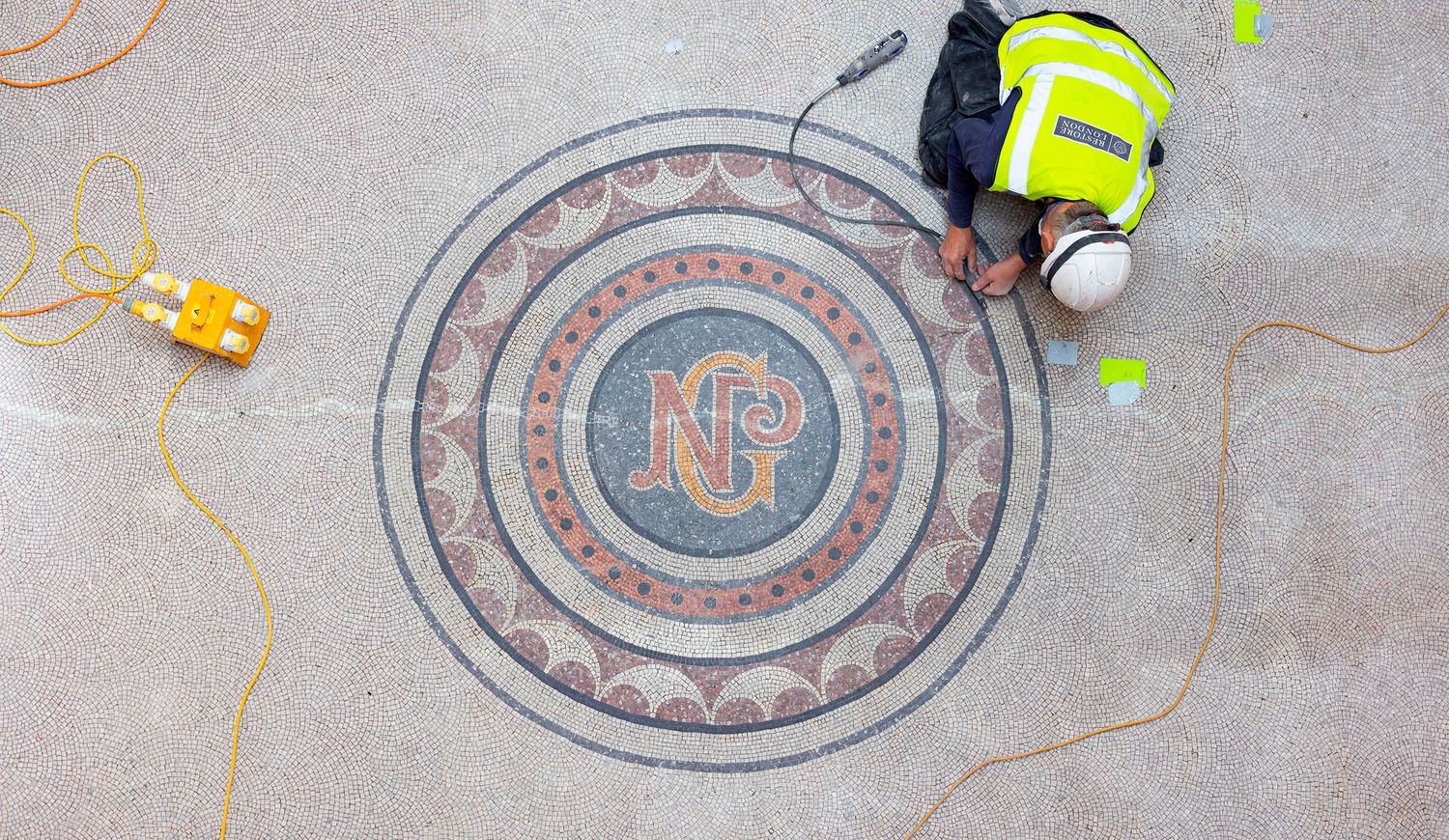
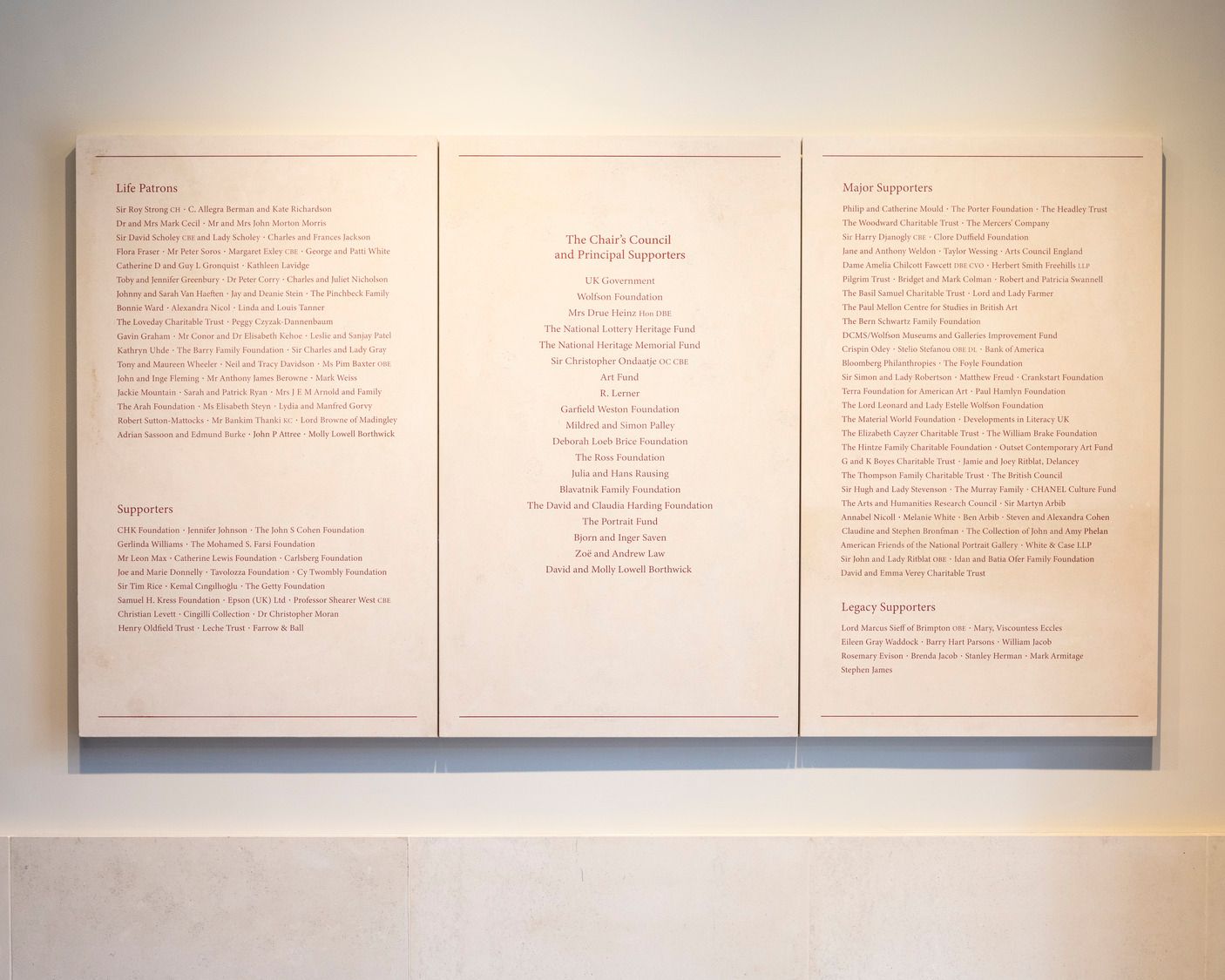
The donor recognition scheme follows the same typographic and material logic. Engraved, gilded arrivals use the building’s own historic letterforms, while stone panels and expert sign-writing embed major donor recognition into the architecture, with patinated brass name plaques supporting the exhibition design in the galleries. Benoy also contributed to the mosaic restoration project, appearing alongside other donors in a temporary tile installation. The completed transformation received the RIBA London and National Awards in 2024.

